10 Best Photogrammetry Drones
From leading brands and best sellers available on the web.45,000 reviews analyzed

More great picks just for you
Our Top Picks
Winner
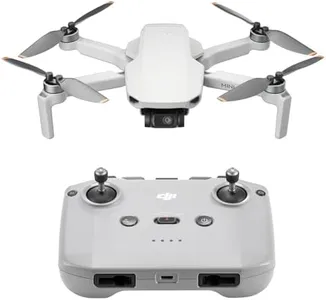
DJI Mini 4K, Drone with 4K UHD Camera, 3-Axis Gimbal Stabilization, 10km Video Transmission, 1 Battery for 31-Min Max Flight Time

The DJI Mini 4K is a lightweight drone weighing under 249 grams, making it easy to fly without registration hassles in many regions. It features a 4K Ultra HD camera paired with a 3-axis gimbal, which helps capture smooth, high-quality images and videos—important for detailed photogrammetry work. Its max flight time is about 31 minutes per battery, with options to extend this by purchasing additional batteries, allowing longer missions without interruption.
The drone is stable in wind speeds up to 38 km/h (Level 5), which means it can handle moderately windy conditions well, a useful feature when flying outdoors for mapping tasks. Built-in GPS supports stable hovering and automatic return-to-home, which is good for maintaining position during surveys. The drone offers intelligent shooting modes that simplify video capture but may be less critical for strict photogrammetry needs.
The DJI Mini 4K is a convenient, user-friendly drone with strong camera and flight features suitable for hobbyists or beginners interested in aerial imaging, but it may fall short for users needing high-precision GNSS data, extended payload options, or professional photogrammetry software integration.
DJI Mini 3 (DJI RC) - Lightweight and Foldable Mini Camera Drone with 4K HDR Video, 38-min Flight Time, True Vertical Shooting, and Intelligent Features
 DJI
DJIThe DJI Mini 3 is a lightweight, compact drone weighing just under 249 grams, making it very portable for fieldwork or travel. It features a 4K HDR camera, which can capture detailed and vibrant images useful for photogrammetry. Its impressive battery life provides up to 38 minutes of flight time, allowing longer sessions needed for thorough aerial scanning. The drone is stable in winds up to 38kph, which helps maintain steady shots in moderately windy conditions.
Payload capacity is limited by its small size, so it’s not suited for carrying additional sensors or heavier equipment. The inclusion of the DJI RC controller with a built-in display and the DJI Fly app ensures ease of use and decent software support. This drone is best suited for hobbyists or beginners who want high-quality aerial images with simple operation rather than for professional surveyors needing high-precision geospatial data.
Its foldable design and portability make it great for casual outdoor use and quick captures, while still delivering solid image quality and decent flight endurance.
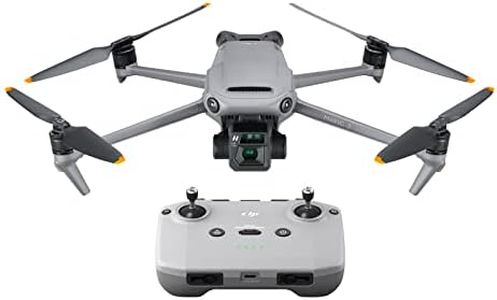
DJI Mavic 3 - GPS Drone with 4/3 CMOS Hasselblad Camera for Adults, 5.1K Video, Omnidirectional Obstacle Sensing, 46-Min Flight, RC Quadcopter with Advanced Auto Return, Max 15km Video Transmission
 DJI
DJIThe DJI Mavic 3 stands out as a strong option for photogrammetry thanks to its high-quality 4/3 CMOS Hasselblad camera, which captures detailed images with a wide dynamic range, making it easier to get accurate and rich aerial photos. Its integrated GPS and advanced obstacle sensing help maintain stable flight and precise positioning, which is important for mapping and surveying tasks. The drone offers an impressive flight time of up to 46 minutes, allowing you to cover large areas without frequent battery changes. With a maximum transmission range of 15 km and smooth video feeds, you can explore and monitor expansive sites effectively.
Its stability and wind resistance are enhanced by omnidirectional obstacle sensing, though in very windy conditions, smaller drones like this can still face challenges. DJI’s software ecosystem is well-regarded, ensuring compatible and efficient workflows for processing aerial data, which is a big plus for users needing reliable post-flight software.
This drone suits professionals or serious hobbyists looking for a balance of image quality, flight endurance, and ease of use. If photogrammetry work demands carrying extra sensors or flying in harsh weather, drones with higher payload capacity and specialized stability features might be more suitable.